

Profile Spotlight | Jeanne Meyers
By Blake Draper
For 30 years, The My Hero Project has provided millions of students access to a safe, commercial-free online venue where they can discover and share essays, art, audio, and films that celebrate positive role models worldwide – thanks to Jeanne Meyers co-creator, visionary, and director.
Before creating the My Hero Project, Meyers was the director and founder of the Brown University Media Center, which provided media arts training for students and faculty, as well as training media services employees.
In 1994, Meyers and her co-creators developed a TV pilot for The My Hero Project. When no major TV broadcasters picked up the pilot, Meyers and her team turned to the Internet, a relatively new media source at the time.
The My Hero Project was immediately well-received on the Internet, and its interactive nature created great harmony for them to receive praise and stories about everyday heroes from around the world.
The My Hero project has used media, art, and technology to celebrate the best of humanity by uplifting students of all ages to realize their own potential to make positive change in the world. After 30 years, My Hero has reached 197 countries and has over 125 million participants. It has also created an interactive workbook and database that guides young creatives through creating a story and provides a platform to promote their work via film festivals, events, and educational resources.
Q&A
Tell us a little about how The My Hero Project was founded?
It was 1994, we were all parents with young children who were concerned about how much violence and negative imagery were being broadcast on TV. We wanted to have a place where families and kids could learn about diverse heroes from around the world. That was the mission for both the website and the pilot. A student who worked for me at Brown University’s media told me about the Internet. He told me that my idea for an interactive television series would work well there, so we took the TV pilot in August of 1995, we launched The My Hero Website, with the idea to run it as a non-profit educational program.
We decided to build it as a non-profit and launched it on the internet rather than TV, with content like kids from the south side of Chicago who were in a gang specifically to dance and not to fight. It was a great message; these kids were winning awards for their street dancing. I’m still very proud of our pilot, and some of the heroes we had in the pilot are still heroes, people like Oprah Winfrey and many others.
From pre-K all the way through college resources, the My Hero Project empowers students through educational resources. After 30 years of education, can you describe how you’ve seen students benefit directly from The My Hero Project?
Well, one of our board members is Mohamed Sidibay, a child soldier in Sierra Leone. When he was 3, his parents were murdered, and he was forced to join the army that killed his parents. Mohamed eventually escaped and began living a new life in Sierra Leone. Because of his circumstances, Mohamed was never able to attend school; he learned to use a rifle before he ever learned to use a pencil.
One day, he was playing soccer on the beach and one of his friends told him about a place where they have computers and how you can learn about the rest of the world through them. Mohamed joined the program iEARN, which was partnered with My Hero. Mohamed learned about the world outside Sierra Leone through the My Hero Project. He started to learn that education might be a way to uplift himself and help him achieve his goals. Today, Mohamed is a lawyer who passed the International Bar. He’s been an advocate for children to have access to education, and he has been able to host events celebrating peace through the My Hero Project.
Can you speak about some of the resources My Hero Project gives to the Orange County community?
In terms of OC, we have roots here. We have been working with teachers and developing programs in Orange County for many years. The Scripps Family Impact Fund found My Hero online and contacted us, which allowed us to create our workbook. The Anaheim school district will use our book in its high school program, and the Annenberg program at USC is also using it for its students. Esther Wojiski, who founded Palo Alto High School’s journalism program, created a program and made a 20-million-dollar media center at Palo Alto High School.
She also wrote the introduction in our book. The book was crafted over a year, putting together various media sources. Ever since we received our grant, we’ve been able to send filmmakers around the world, and our film festival is in its 21st year. The free digital workbook empowers students to create their own short films highlighting everyday heroes, people who uplift and strengthen our communities.
With easy-to-follow lessons on journalism, storytelling, and film production, the workbook is a fantastic tool to build media literacy, empathy, and creative expression in middle and high school students. We continue to find filmmakers and storytellers to add to the My Hero Project throughout Orange County. The city of Laguna Beach has also supported My Hero over the years. We’ve had a few wonderful events at the Rivian Theater and held The Laguna Hero event in town.
Who are some of your personal role models, and how have those people shaped the My Hero project?
I’m so fortunate to have been exposed to so many amazing people on my journey in My Hero Project. For example, Ron Kovic, the well-known American Anti-War activist who was wounded and paralyzed in the Vietnam War, is a friend and a personal hero of mine. Ron gives the Kovic Peace Prize at our film festival each year, and it is so inspiring to see young filmmakers receive this very meaningful award from him personally and to make that connection with him as a filmmaker.
Another one of my heroes is Mattie Stepanek. Mattie was diagnosed with Dysoautonomic Mitochondrial Myopathy at a very young age, a terminal neurological disorder that ended up taking his life at age 13. Mattie was being cared for by a children’s hospice volunteer who loved the amazing poetry Mattie was writing at age 5 or 6. The hospice nurse nominated Mattie as a hero to the My Hero Project. From that nomination, we secured a computer for Mattie, leading him to publish a book of poems that became a NYT best seller. Through the My Hero Project, Mattie met many of his own heroes, including Oprah and Jimmy Carter, who became his friends. Jimmy Carter spoke at Mattie’s funeral. I can have these wonderful connections and experiences through My Hero Project, which allows me to meet so many incredible people who become my personal heroes. And each of these heroes also gives back to the My Hero Project. The connection isn’t just me – it’s me, them, and the multitude of other people they reach who are inspired and uplifted by their work.
Why is it important to uplift and give filmmakers, activists, and Heroes the My Hero platform to tell their stories?
I believe isolation is very unhealthy, as we face challenges in life, understanding that there are alternatives and that there are people who have gone through difficult times who have still survived and thrived. For example, Ron Kovic, who’s been paralyzed since he was wounded in Vietnam, and yet still makes his way to peace marches. You know it’s not easy for him; he has real ongoing health challenges.
When we have our festival and the young filmmakers get to meet the professional filmmakers, they find mentors who can become their heroes. Many opportunities arise through My Hero where meaningful connections, friends, and teachers can build a community of positivity. We all care about each other, and we stay in touch. My Hero is an oasis of goodness on the Web. And those ripples that come from the work that we do touch people in very real ways.
I think there is a lot of opportunity to do a lot more of this work. I hope that we can figure out how to keep The My Hero Project funded and endowed – that’s my dream. That somebody sees the value of this work and endows My Hero Project so that our operating budget is covered, and then we can grow with other grants. We’re not there yet, but that’s what I’m hoping for.
What is the lasting impact you want to create through the My Hero Project?
That people understand that we are a beautiful world full of opportunity and possibility if we can work together, accept each other, understand each other, and embrace diversity. We need to be inclusive and level the playing field with our library while also providing the ability for people to participate and tell their stories. There are more cell phones than there are toilets in the world. The cell phone, with all of the information out there, has such promise to people who may not have a physical classroom to go to. Still, the opportunity to learn from each other, this kind of information can change the world; however, it takes the community to understand the importance of the issues and to remember that kindness will always serve us.
Can you explain the power of spreading positivity and what impact it can have on the world today?
There are other things similar to My Hero Project out there in the world today, but they aren’t generating content like we are. That is what is so special about My Hero: It is all-ages storytelling. We vet all the work that comes through. We do not promote hatred, violence, racism, or sexism, but as a platform, My Hero is a safe place for people who want to share their stories. We see the ripples that come from that through the work they produce. I don’t get to know all of the ripples that come from everything that happens with My Hero because we reach people all over the world, but those are some of the stories that I have been able to witness and be a part of firsthand.
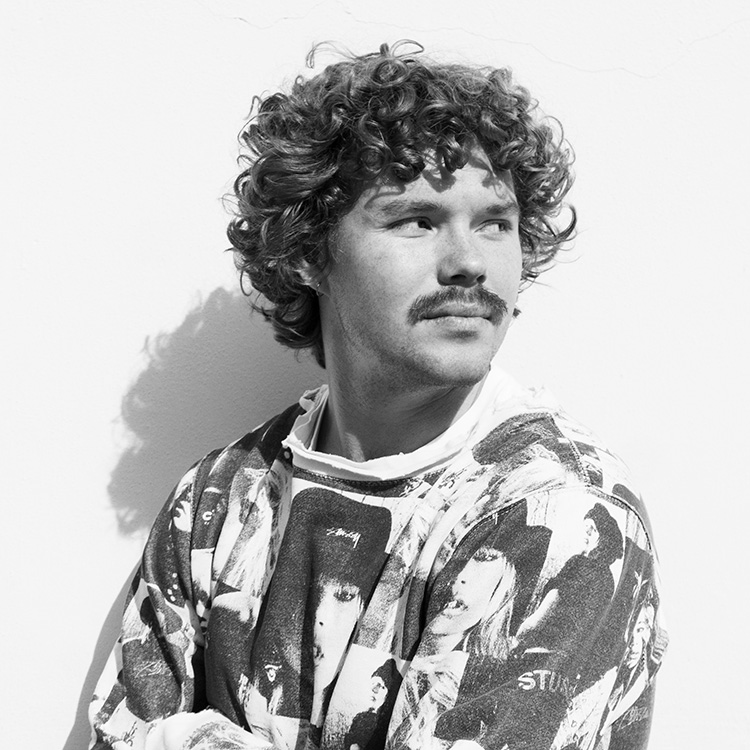
Author Bio
Blake Draper is an Orange County native, born and raised in Laguna Beach. At the moment, he is in his senior year at DePaul University, Chicago, pursuing a BFA in Film and Television with a concentration in documentary filmmaker and directing. He’s also directed and assistant-directed music videos and photoshoots.
Profile Spotlight | Jeanne Meyers
By Jasmine Gutierrez
For 30 years, The My Hero Project has provided millions of students access to a safe, commercial-free online venue where they can discover and share essays, art, audio, and films that celebrate positive role models worldwide – thanks to Jeanne Meyers co-creator, visionary, and director.
Before creating the My Hero Project, Meyers was the director and founder of the Brown University Media Center, which provided media arts training for students and faculty, as well as training media services employees.
In 1994, Meyers and her co-creators developed a TV pilot for The My Hero Project. When no major TV broadcasters picked up the pilot, Meyers and her team turned to the Internet, a relatively new media source at the time.
The My Hero Project was immediately well-received on the Internet, and its interactive nature created great harmony for them to receive praise and stories about everyday heroes from around the world.
The My Hero project has used media, art, and technology to celebrate the best of humanity by uplifting students of all ages to realize their own potential to make positive change in the world. After 30 years, My Hero has reached 197 countries and has over 125 million participants. It has also created an interactive workbook and database that guides young creatives through creating a story and provides a platform to promote their work via film festivals, events, and educational resources.
Q&A
Tell us a little about how The My Hero Project was founded?
It was 1994, we were all parents with young children who were concerned about how much violence and negative imagery were being broadcast on TV. We wanted to have a place where families and kids could learn about diverse heroes from around the world. That was the mission for both the website and the pilot. A student who worked for me at Brown University’s media told me about the Internet. He told me that my idea for an interactive television series would work well there, so we took the TV pilot in August of 1995, we launched The My Hero Website, with the idea to run it as a non-profit educational program.
We decided to build it as a non-profit and launched it on the internet rather than TV, with content like kids from the south side of Chicago who were in a gang specifically to dance and not to fight. It was a great message; these kids were winning awards for their street dancing. I’m still very proud of our pilot, and some of the heroes we had in the pilot are still heroes, people like Oprah Winfrey and many others.
From pre-K all the way through college resources, the My Hero Project empowers students through educational resources. After 30 years of education, can you describe how you’ve seen students benefit directly from The My Hero Project?
Well, one of our board members is Mohamed Sidibay, a child soldier in Sierra Leone. When he was 3, his parents were murdered, and he was forced to join the army that killed his parents. Mohamed eventually escaped and began living a new life in Sierra Leone. Because of his circumstances, Mohamed was never able to attend school; he learned to use a rifle before he ever learned to use a pencil.
One day, he was playing soccer on the beach and one of his friends told him about a place where they have computers and how you can learn about the rest of the world through them. Mohamed joined the program iEARN, which was partnered with My Hero. Mohamed learned about the world outside Sierra Leone through the My Hero Project. He started to learn that education might be a way to uplift himself and help him achieve his goals. Today, Mohamed is a lawyer who passed the International Bar. He’s been an advocate for children to have access to education, and he has been able to host events celebrating peace through the My Hero Project.
Can you speak about some of the resources My Hero Project gives to the Orange County community?
In terms of OC, we have roots here. We have been working with teachers and developing programs in Orange County for many years. The Scripps Family Impact Fund found My Hero online and contacted us, which allowed us to create our workbook. The Anaheim school district will use our book in its high school program, and the Annenberg program at USC is also using it for its students. Esther Wojiski, who founded Palo Alto High School’s journalism program, created a program and made a 20-million-dollar media center at Palo Alto High School.
She also wrote the introduction in our book. The book was crafted over a year, putting together various media sources. Ever since we received our grant, we’ve been able to send filmmakers around the world, and our film festival is in its 21st year. The free digital workbook empowers students to create their own short films highlighting everyday heroes, people who uplift and strengthen our communities.
With easy-to-follow lessons on journalism, storytelling, and film production, the workbook is a fantastic tool to build media literacy, empathy, and creative expression in middle and high school students. We continue to find filmmakers and storytellers to add to the My Hero Project throughout Orange County. The city of Laguna Beach has also supported My Hero over the years. We’ve had a few wonderful events at the Rivian Theater and held The Laguna Hero event in town.
Who are some of your personal role models, and how have those people shaped the My Hero project?
I’m so fortunate to have been exposed to so many amazing people on my journey in My Hero Project. For example, Ron Kovic, the well-known American Anti-War activist who was wounded and paralyzed in the Vietnam War, is a friend and a personal hero of mine. Ron gives the Kovic Peace Prize at our film festival each year, and it is so inspiring to see young filmmakers receive this very meaningful award from him personally and to make that connection with him as a filmmaker.
Another one of my heroes is Mattie Stepanek. Mattie was diagnosed with Dysoautonomic Mitochondrial Myopathy at a very young age, a terminal neurological disorder that ended up taking his life at age 13. Mattie was being cared for by a children’s hospice volunteer who loved the amazing poetry Mattie was writing at age 5 or 6. The hospice nurse nominated Mattie as a hero to the My Hero Project. From that nomination, we secured a computer for Mattie, leading him to publish a book of poems that became a NYT best seller. Through the My Hero Project, Mattie met many of his own heroes, including Oprah and Jimmy Carter, who became his friends. Jimmy Carter spoke at Mattie’s funeral. I can have these wonderful connections and experiences through My Hero Project, which allows me to meet so many incredible people who become my personal heroes. And each of these heroes also gives back to the My Hero Project. The connection isn’t just me – it’s me, them, and the multitude of other people they reach who are inspired and uplifted by their work.
Why is it important to uplift and give filmmakers, activists, and Heroes the My Hero platform to tell their stories?
I believe isolation is very unhealthy, as we face challenges in life, understanding that there are alternatives and that there are people who have gone through difficult times who have still survived and thrived. For example, Ron Kovic, who’s been paralyzed since he was wounded in Vietnam, and yet still makes his way to peace marches. You know it’s not easy for him; he has real ongoing health challenges.
When we have our festival and the young filmmakers get to meet the professional filmmakers, they find mentors who can become their heroes. Many opportunities arise through My Hero where meaningful connections, friends, and teachers can build a community of positivity. We all care about each other, and we stay in touch. My Hero is an oasis of goodness on the Web. And those ripples that come from the work that we do touch people in very real ways.
I think there is a lot of opportunity to do a lot more of this work. I hope that we can figure out how to keep The My Hero Project funded and endowed – that’s my dream. That somebody sees the value of this work and endows My Hero Project so that our operating budget is covered, and then we can grow with other grants. We’re not there yet, but that’s what I’m hoping for.
Can you explain the power of spreading positivity and what impact it can have on the world today?
There are other things similar to My Hero Project out there in the world today, but they aren’t generating content like we are. That is what is so special about My Hero: It is all-ages storytelling. We vet all the work that comes through. We do not promote hatred, violence, racism, or sexism, but as a platform, My Hero is a safe place for people who want to share their stories. We see the ripples that come from that through the work they produce. I don’t get to know all of the ripples that come from everything that happens with My Hero because we reach people all over the world, but those are some of the stories that I have been able to witness and be a part of firsthand.
What is the lasting impact you want to create through the My Hero Project?
That people understand that we are a beautiful world full of opportunity and possibility if we can work together, accept each other, understand each other, and embrace diversity. We need to be inclusive and level the playing field with our library while also providing the ability for people to participate and tell their stories. There are more cell phones than there are toilets in the world. The cell phone, with all of the information out there, has such promise to people who may not have a physical classroom to go to. Still, the opportunity to learn from each other, this kind of information can change the world; however, it takes the community to understand the importance of the issues and to remember that kindness will always serve us.
Blake Draper is an Orange County native, born and raised in Laguna Beach. At the moment, he is in his senior year at DePaul University, Chicago, pursuing a BFA in Film and Television with a concentration in documentary filmmaker and directing. He’s also directed and assistant-directed music videos and photoshoots.
Profile Spotlight | Jeanne Meyers
By Blake Draper
For 30 years, The My Hero Project has provided millions of students access to a safe, commercial-free online venue where they can discover and share essays, art, audio, and films that celebrate positive role models worldwide – thanks to Jeanne Meyers co-creator, visionary, and director.
Before creating the My Hero Project, Meyers was the director and founder of the Brown University Media Center, which provided media arts training for students and faculty, as well as training media services employees.
In 1994, Meyers and her co-creators developed a TV pilot for The My Hero Project. When no major TV broadcasters picked up the pilot, Meyers and her team turned to the Internet, a relatively new media source at the time.
The My Hero Project was immediately well-received on the Internet, and its interactive nature created great harmony for them to receive praise and stories about everyday heroes from around the world.
The My Hero project has used media, art, and technology to celebrate the best of humanity by uplifting students of all ages to realize their own potential to make positive change in the world. After 30 years, My Hero has reached 197 countries and has over 125 million participants. It has also created an interactive workbook and database that guides young creatives through creating a story and provides a platform to promote their work via film festivals, events, and educational resources.
Q&A
Tell us a little about how The My Hero Project was founded?
It was 1994, we were all parents with young children who were concerned about how much violence and negative imagery were being broadcast on TV. We wanted to have a place where families and kids could learn about diverse heroes from around the world. That was the mission for both the website and the pilot. A student who worked for me at Brown University’s media told me about the Internet. He told me that my idea for an interactive television series would work well there, so we took the TV pilot in August of 1995, we launched The My Hero Website, with the idea to run it as a non-profit educational program.
We decided to build it as a non-profit and launched it on the internet rather than TV, with content like kids from the south side of Chicago who were in a gang specifically to dance and not to fight. It was a great message; these kids were winning awards for their street dancing. I’m still very proud of our pilot, and some of the heroes we had in the pilot are still heroes, people like Oprah Winfrey and many others.
From pre-K all the way through college resources, the My Hero Project empowers students through educational resources. After 30 years of education, can you describe how you’ve seen students benefit directly from The My Hero Project?
Well, one of our board members is Mohamed Sidibay, a child soldier in Sierra Leone. When he was 3, his parents were murdered, and he was forced to join the army that killed his parents. Mohamed eventually escaped and began living a new life in Sierra Leone. Because of his circumstances, Mohamed was never able to attend school; he learned to use a rifle before he ever learned to use a pencil.
One day, he was playing soccer on the beach and one of his friends told him about a place where they have computers and how you can learn about the rest of the world through them. Mohamed joined the program iEARN, which was partnered with My Hero. Mohamed learned about the world outside Sierra Leone through the My Hero Project. He started to learn that education might be a way to uplift himself and help him achieve his goals. Today, Mohamed is a lawyer who passed the International Bar. He’s been an advocate for children to have access to education, and he has been able to host events celebrating peace through the My Hero Project.
Can you speak about some of the resources My Hero Project gives to the Orange County community?
In terms of OC, we have roots here. We have been working with teachers and developing programs in Orange County for many years. The Scripps Family Impact Fund found My Hero online and contacted us, which allowed us to create our workbook. The Anaheim school district will use our book in its high school program, and the Annenberg program at USC is also using it for its students. Esther Wojiski, who founded Palo Alto High School’s journalism program, created a program and made a 20-million-dollar media center at Palo Alto High School.
She also wrote the introduction in our book. The book was crafted over a year, putting together various media sources. Ever since we received our grant, we’ve been able to send filmmakers around the world, and our film festival is in its 21st year. The free digital workbook empowers students to create their own short films highlighting everyday heroes, people who uplift and strengthen our communities.
With easy-to-follow lessons on journalism, storytelling, and film production, the workbook is a fantastic tool to build media literacy, empathy, and creative expression in middle and high school students. We continue to find filmmakers and storytellers to add to the My Hero Project throughout Orange County. The city of Laguna Beach has also supported My Hero over the years. We’ve had a few wonderful events at the Rivian Theater and held The Laguna Hero event in town.
Who are some of your personal role models, and how have those people shaped the My Hero project?
I’m so fortunate to have been exposed to so many amazing people on my journey in My Hero Project. For example, Ron Kovic, the well-known American Anti-War activist who was wounded and paralyzed in the Vietnam War, is a friend and a personal hero of mine. Ron gives the Kovic Peace Prize at our film festival each year, and it is so inspiring to see young filmmakers receive this very meaningful award from him personally and to make that connection with him as a filmmaker.
Another one of my heroes is Mattie Stepanek. Mattie was diagnosed with Dysoautonomic Mitochondrial Myopathy at a very young age, a terminal neurological disorder that ended up taking his life at age 13. Mattie was being cared for by a children’s hospice volunteer who loved the amazing poetry Mattie was writing at age 5 or 6. The hospice nurse nominated Mattie as a hero to the My Hero Project. From that nomination, we secured a computer for Mattie, leading him to publish a book of poems that became a NYT best seller. Through the My Hero Project, Mattie met many of his own heroes, including Oprah and Jimmy Carter, who became his friends. Jimmy Carter spoke at Mattie’s funeral. I can have these wonderful connections and experiences through My Hero Project, which allows me to meet so many incredible people who become my personal heroes. And each of these heroes also gives back to the My Hero Project. The connection isn’t just me – it’s me, them, and the multitude of other people they reach who are inspired and uplifted by their work.
Why is it important to uplift and give filmmakers, activists, and Heroes the My Hero platform to tell their stories?
I believe isolation is very unhealthy, as we face challenges in life, understanding that there are alternatives and that there are people who have gone through difficult times who have still survived and thrived. For example, Ron Kovic, who’s been paralyzed since he was wounded in Vietnam, and yet still makes his way to peace marches. You know it’s not easy for him; he has real ongoing health challenges.
When we have our festival and the young filmmakers get to meet the professional filmmakers, they find mentors who can become their heroes. Many opportunities arise through My Hero where meaningful connections, friends, and teachers can build a community of positivity. We all care about each other, and we stay in touch. My Hero is an oasis of goodness on the Web. And those ripples that come from the work that we do touch people in very real ways.
I think there is a lot of opportunity to do a lot more of this work. I hope that we can figure out how to keep The My Hero Project funded and endowed – that’s my dream. That somebody sees the value of this work and endows My Hero Project so that our operating budget is covered, and then we can grow with other grants. We’re not there yet, but that’s what I’m hoping for.
What is the lasting impact you want to create through the My Hero Project?
That people understand that we are a beautiful world full of opportunity and possibility if we can work together, accept each other, understand each other, and embrace diversity. We need to be inclusive and level the playing field with our library while also providing the ability for people to participate and tell their stories. There are more cell phones than there are toilets in the world. The cell phone, with all of the information out there, has such promise to people who may not have a physical classroom to go to. Still, the opportunity to learn from each other, this kind of information can change the world; however, it takes the community to understand the importance of the issues and to remember that kindness will always serve us.
Can you explain the power of spreading positivity and what impact it can have on the world today?
There are other things similar to My Hero Project out there in the world today, but they aren’t generating content like we are. That is what is so special about My Hero: It is all-ages storytelling. We vet all the work that comes through. We do not promote hatred, violence, racism, or sexism, but as a platform, My Hero is a safe place for people who want to share their stories. We see the ripples that come from that through the work they produce. I don’t get to know all of the ripples that come from everything that happens with My Hero because we reach people all over the world, but those are some of the stories that I have been able to witness and be a part of firsthand.
Author Bio
Blake Draper is an Orange County native, born and raised in Laguna Beach. At the moment, he is in his senior year at DePaul University, Chicago, pursuing a BFA in Film and Television with a concentration in documentary filmmaker and directing. He’s also directed and assistant-directed music videos and photoshoots.
Profile Spotlight | Jeanne Meyers
By Jasmine Gutierrez
For 30 years, The My Hero Project has provided millions of students access to a safe, commercial-free online venue where they can discover and share essays, art, audio, and films that celebrate positive role models worldwide – thanks to Jeanne Meyers co-creator, visionary, and director.
Before creating the My Hero Project, Meyers was the director and founder of the Brown University Media Center, which provided media arts training for students and faculty, as well as training media services employees.
In 1994, Meyers and her co-creators developed a TV pilot for The My Hero Project. When no major TV broadcasters picked up the pilot, Meyers and her team turned to the Internet, a relatively new media source at the time.
The My Hero Project was immediately well-received on the Internet, and its interactive nature created great harmony for them to receive praise and stories about everyday heroes from around the world.
The My Hero project has used media, art, and technology to celebrate the best of humanity by uplifting students of all ages to realize their own potential to make positive change in the world. After 30 years, My Hero has reached 197 countries and has over 125 million participants. It has also created an interactive workbook and database that guides young creatives through creating a story and provides a platform to promote their work via film festivals, events, and educational resources.
Q&A
Tell us a little about how The My Hero Project was founded?
It was 1994, we were all parents with young children who were concerned about how much violence and negative imagery were being broadcast on TV. We wanted to have a place where families and kids could learn about diverse heroes from around the world. That was the mission for both the website and the pilot. A student who worked for me at Brown University’s media told me about the Internet. He told me that my idea for an interactive television series would work well there, so we took the TV pilot in August of 1995, we launched The My Hero Website, with the idea to run it as a non-profit educational program.
We decided to build it as a non-profit and launched it on the internet rather than TV, with content like kids from the south side of Chicago who were in a gang specifically to dance and not to fight. It was a great message; these kids were winning awards for their street dancing. I’m still very proud of our pilot, and some of the heroes we had in the pilot are still heroes, people like Oprah Winfrey and many others.
From pre-K all the way through college resources, the My Hero Project empowers students through educational resources. After 30 years of education, can you describe how you’ve seen students benefit directly from The My Hero Project?
Well, one of our board members is Mohamed Sidibay, a child soldier in Sierra Leone. When he was 3, his parents were murdered, and he was forced to join the army that killed his parents. Mohamed eventually escaped and began living a new life in Sierra Leone. Because of his circumstances, Mohamed was never able to attend school; he learned to use a rifle before he ever learned to use a pencil.
One day, he was playing soccer on the beach and one of his friends told him about a place where they have computers and how you can learn about the rest of the world through them. Mohamed joined the program iEARN, which was partnered with My Hero. Mohamed learned about the world outside Sierra Leone through the My Hero Project. He started to learn that education might be a way to uplift himself and help him achieve his goals. Today, Mohamed is a lawyer who passed the International Bar. He’s been an advocate for children to have access to education, and he has been able to host events celebrating peace through the My Hero Project.
Can you speak about some of the resources My Hero Project gives to the Orange County community?
In terms of OC, we have roots here. We have been working with teachers and developing programs in Orange County for many years. The Scripps Family Impact Fund found My Hero online and contacted us, which allowed us to create our workbook. The Anaheim school district will use our book in its high school program, and the Annenberg program at USC is also using it for its students. Esther Wojiski, who founded Palo Alto High School’s journalism program, created a program and made a 20-million-dollar media center at Palo Alto High School.
She also wrote the introduction in our book. The book was crafted over a year, putting together various media sources. Ever since we received our grant, we’ve been able to send filmmakers around the world, and our film festival is in its 21st year. The free digital workbook empowers students to create their own short films highlighting everyday heroes, people who uplift and strengthen our communities.
With easy-to-follow lessons on journalism, storytelling, and film production, the workbook is a fantastic tool to build media literacy, empathy, and creative expression in middle and high school students. We continue to find filmmakers and storytellers to add to the My Hero Project throughout Orange County. The city of Laguna Beach has also supported My Hero over the years. We’ve had a few wonderful events at the Rivian Theater and held The Laguna Hero event in town.
Who are some of your personal role models, and how have those people shaped the My Hero project?
I’m so fortunate to have been exposed to so many amazing people on my journey in My Hero Project. For example, Ron Kovic, the well-known American Anti-War activist who was wounded and paralyzed in the Vietnam War, is a friend and a personal hero of mine. Ron gives the Kovic Peace Prize at our film festival each year, and it is so inspiring to see young filmmakers receive this very meaningful award from him personally and to make that connection with him as a filmmaker.
Another one of my heroes is Mattie Stepanek. Mattie was diagnosed with Dysoautonomic Mitochondrial Myopathy at a very young age, a terminal neurological disorder that ended up taking his life at age 13. Mattie was being cared for by a children’s hospice volunteer who loved the amazing poetry Mattie was writing at age 5 or 6. The hospice nurse nominated Mattie as a hero to the My Hero Project. From that nomination, we secured a computer for Mattie, leading him to publish a book of poems that became a NYT best seller. Through the My Hero Project, Mattie met many of his own heroes, including Oprah and Jimmy Carter, who became his friends. Jimmy Carter spoke at Mattie’s funeral. I can have these wonderful connections and experiences through My Hero Project, which allows me to meet so many incredible people who become my personal heroes. And each of these heroes also gives back to the My Hero Project. The connection isn’t just me – it’s me, them, and the multitude of other people they reach who are inspired and uplifted by their work.
Why is it important to uplift and give filmmakers, activists, and Heroes the My Hero platform to tell their stories?
I believe isolation is very unhealthy, as we face challenges in life, understanding that there are alternatives and that there are people who have gone through difficult times who have still survived and thrived. For example, Ron Kovic, who’s been paralyzed since he was wounded in Vietnam, and yet still makes his way to peace marches. You know it’s not easy for him; he has real ongoing health challenges.
When we have our festival and the young filmmakers get to meet the professional filmmakers, they find mentors who can become their heroes. Many opportunities arise through My Hero where meaningful connections, friends, and teachers can build a community of positivity. We all care about each other, and we stay in touch. My Hero is an oasis of goodness on the Web. And those ripples that come from the work that we do touch people in very real ways.
I think there is a lot of opportunity to do a lot more of this work. I hope that we can figure out how to keep The My Hero Project funded and endowed – that’s my dream. That somebody sees the value of this work and endows My Hero Project so that our operating budget is covered, and then we can grow with other grants. We’re not there yet, but that’s what I’m hoping for.
Can you explain the power of spreading positivity and what impact it can have on the world today?
There are other things similar to My Hero Project out there in the world today, but they aren’t generating content like we are. That is what is so special about My Hero: It is all-ages storytelling. We vet all the work that comes through. We do not promote hatred, violence, racism, or sexism, but as a platform, My Hero is a safe place for people who want to share their stories. We see the ripples that come from that through the work they produce. I don’t get to know all of the ripples that come from everything that happens with My Hero because we reach people all over the world, but those are some of the stories that I have been able to witness and be a part of firsthand.
What is the lasting impact you want to create through the My Hero Project?
That people understand that we are a beautiful world full of opportunity and possibility if we can work together, accept each other, understand each other, and embrace diversity. We need to be inclusive and level the playing field with our library while also providing the ability for people to participate and tell their stories. There are more cell phones than there are toilets in the world. The cell phone, with all of the information out there, has such promise to people who may not have a physical classroom to go to. Still, the opportunity to learn from each other, this kind of information can change the world; however, it takes the community to understand the importance of the issues and to remember that kindness will always serve us.
Blake Draper is an Orange County native, born and raised in Laguna Beach. At the moment, he is in his senior year at DePaul University, Chicago, pursuing a BFA in Film and Television with a concentration in documentary filmmaker and directing. He’s also directed and assistant-directed music videos and photoshoots.


